

Anywhere to Nowhere
What it takes to get the shot


Our Creative Director John Summerton looks back on an eventful shoot for HOKA in Slovenia earlier this year.
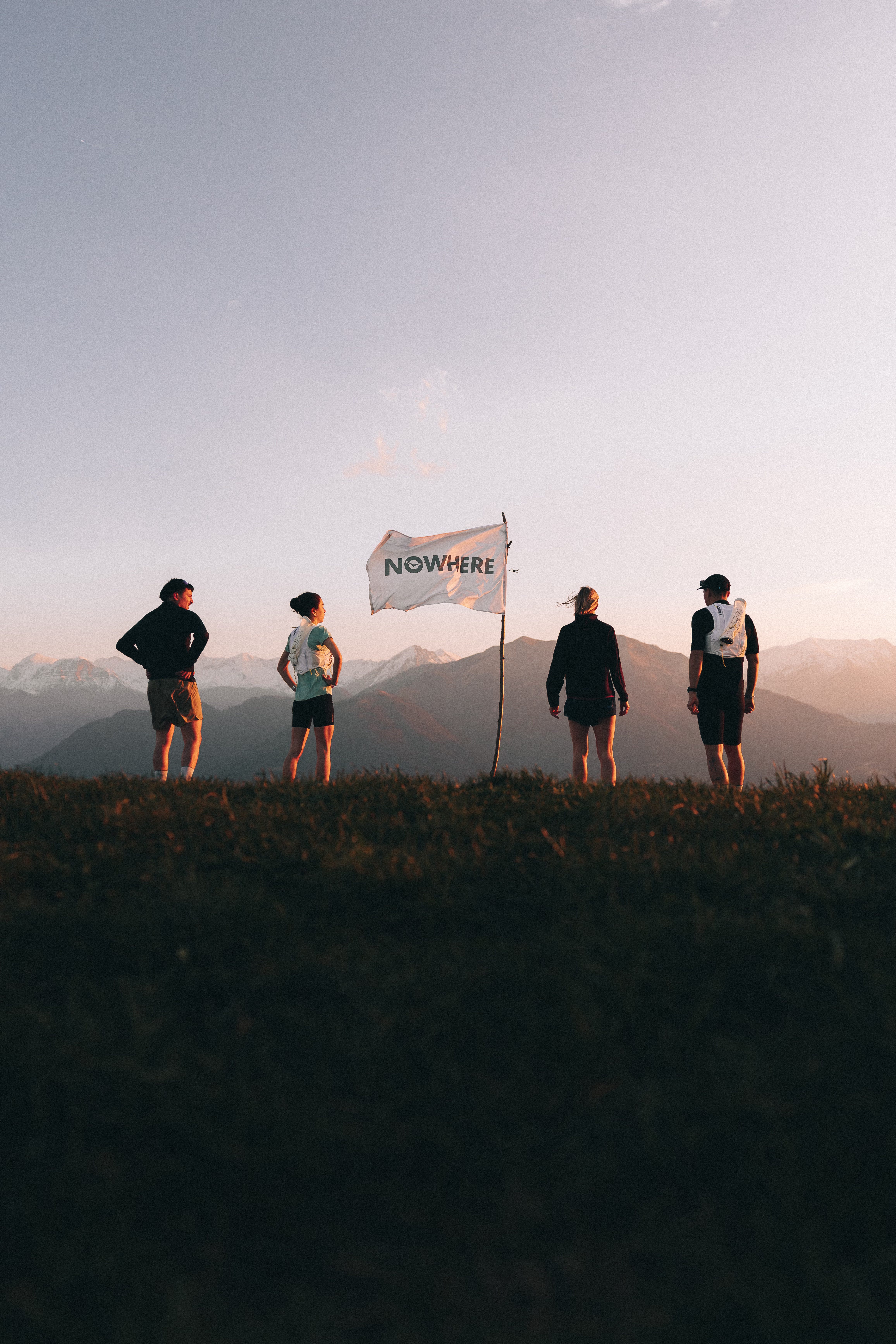
The idea seemed simple enough. Four runners, a mountain, an epic shot of light breaking over the ridgeline as they reach the summit. The creative agency pitched it, the client loved it, we loved it… and we were the ones who had to make it happen. A beautiful summer Alpine shoot. Except it was early March. And there were 10 people travelling in from six countries. We can make it work. We can make it work. Can we make it work?
Behind the scenes were spreadsheets, supermarket runs, midnight WhatsApp messages – oh, and the fact that the snowline had dropped 200m overnight.
We recently filmed a campaign for HOKA with creative agency YEET in the Soča Valley, Slovenia. We were a crew of 10 people, including four athletes, two clients, plus Jake Baggaley on stills and Matt Green of Summit Fever Media on video. Daniel and I were the producers (AKA dishwasher emptiers). We’d managed to wrangle a full two-day shoot, which we were very grateful for and, heck, Daniel and Jake even had some recce time. What we didn’t have was contingency time. But we had experience and a can-do attitude (or was it a ‘must-do’ attitude?) It would be fine.
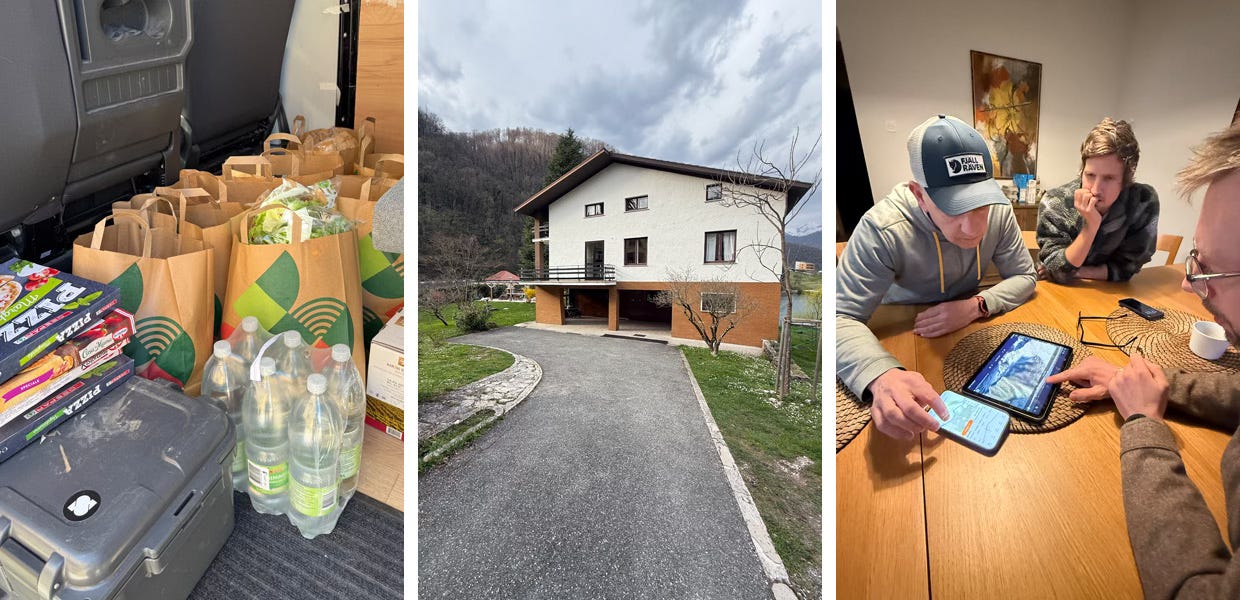
In the weeks running up to the shoot, we finalised a pre-production doc that looked impeccable on paper. Well-researched and planned out to the minute. But it started shifting once we arrived in the small town of Tolmin. We knew it would. There’s a plan A, B, C, D, and then some random Plan X (which is made up on the spot).
This is what it actually took to bring the campaign to life. We are calm ducks at Sidetracked. This is what happens beneath the surface.
Before
You cost it up as carefully as you can – yes, it’s the flights, accommodation, and freelance payments, but you need the space to make it work, to move, to adapt and to go to the supermarket again. And to make a bit of profit.
Alongside that sits the location work. Hours of research, mapping, using Matt’s clever photography app so we know exactly at what second the sun will hit a centimetre of rock. You cross-reference routes and build a shortlist that feels varied but achievable. Then you layer on the realities: how long it actually takes to get there, what the terrain will be like underfoot, whether it will still hold snow, whether it gives you the angles you need for both film and stills, and whether there is shelter for the talent.
By the time you arrive, you have something that resembles a plan. Not fixed, but structured enough to guide the first move.
And then we arrived.
During
As soon as we got there, we knew we needed to adapt. Daniel and Jake were first into the country and drove straight to the first shoot location. We’d all been to Slovenia and shot there before. We knew a spot along the Soča Valley. But the sunset ‘nowhere’ grand finale – clearly laid out in the brief – was always going to be our big challenge.
The snow was sitting far lower than we’d hoped, with more forecast overnight. In other parts of the Alps, it was still full-on ski season. (One of the realities of shooting for outdoor brands is that you’re often only six months ahead. Summer shoot in the Alps? Sure, but you need to go in February.) The higher ridgelines, the ones that looked so good on paper, were quickly ruled out. We were going to need to stay below 1,000m, looking for terrain that still felt expansive without becoming impractical.
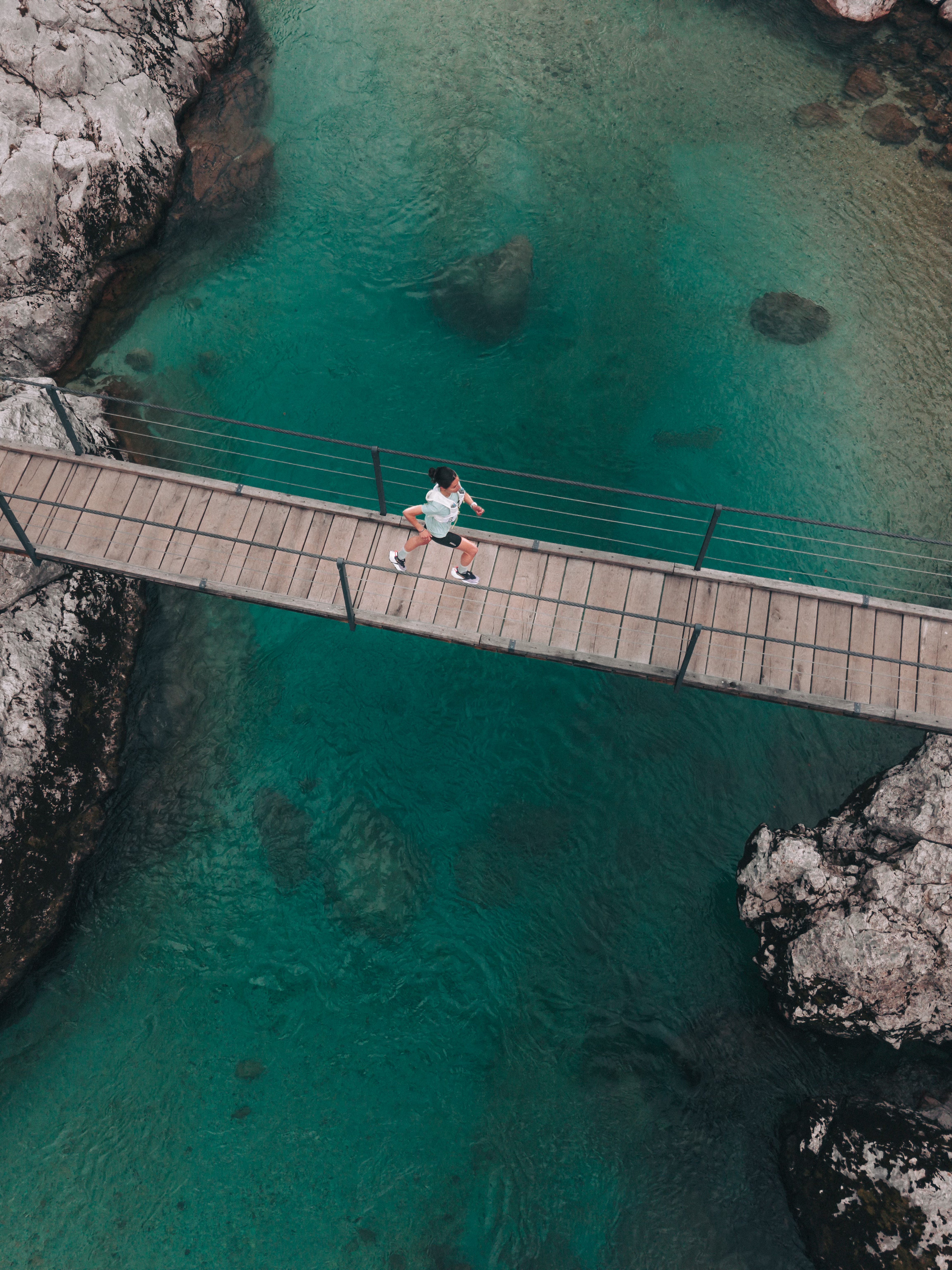
And so the locations shifted and the sequences evolved. Some ideas dropped away entirely, replaced by things we found on the ground. There was a stretch of river that caught the light just right and a section of forest that gave us depth and texture for our shots. We found a ridgeline that offered just enough exposure without causing headaches with snow.
The thing about this kind of work is that you can plan all you want, but the work isn’t really about executing your plan, because it rarely survives intact anyway. It’s about keeping sight of the intent and being flexible.
Behind the scenes
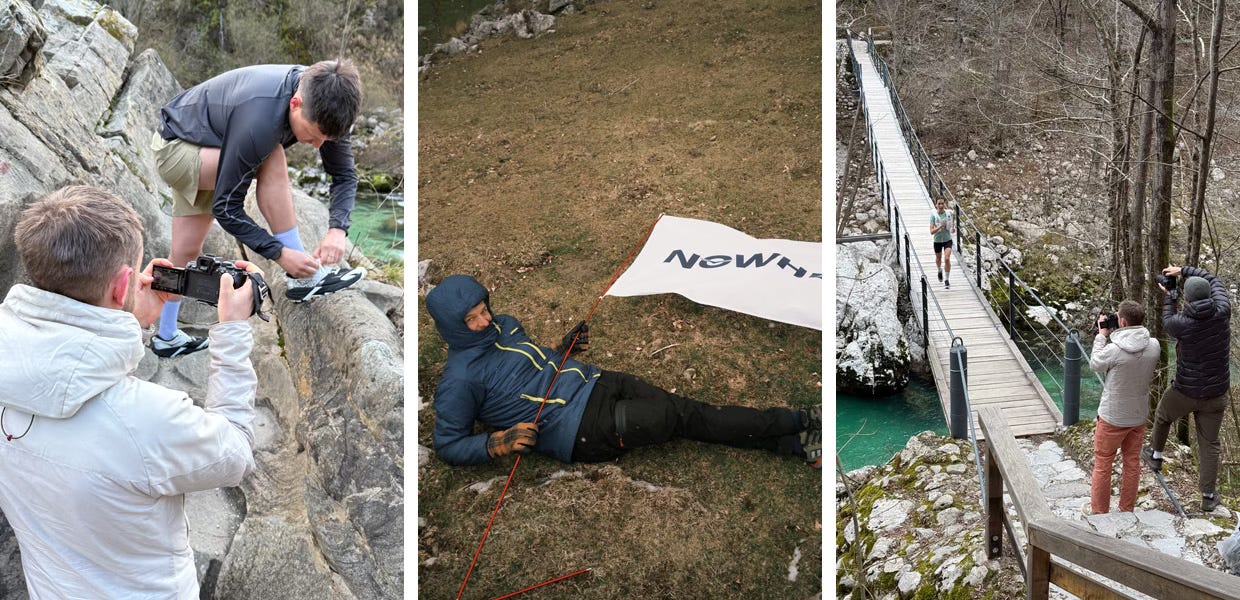
With 10 people on a shoot like this, the dynamic is about the system you create. Everyone has a role and each is dependent on the others doing their job well. Sitting underneath all of that is the production layer – that was me and Daniel – holding things together. We had to make creative decisions, we had to make logistical decisions, we had to make scrambled eggs, a lot of scrambled eggs.
It’s not a role that draws attention to itself. It’s a constant awareness, knowing where you’re going next. It’s about keeping an eye on the time without disrupting the moment, making sure everyone (everyone!) has what they need before they realise they need it.
It’s about carrying extra layers and holding mountains of coats. Moving kit, moving people. Keeping things flowing. The aim is simple: remove as much friction as possible so everyone else can focus on the work. Food is an essential component.
On long days outside, if people aren’t eating properly, you feel it almost immediately. Energy drops, decisions slow and enthusiasm wanes. A negative mindset can loom quickly.
On this shoot, we kept things straightforward. Breakfast laid out early so people could eat when they woke. Wraps made and packed for the day. A steady supply of snacks and drinks in the car and lugged along the trail in a huge YETI cool bag that everyone could dip into between locations.
Evenings were about recovery. Big, simple meals. Chilli one night, pasta the next. Meat and vegan versions, split from the same base. Nothing complicated, just something warm and filling that brought everyone back together at the end of the day. It sounds basic, but it’s fundamental. A well-fed crew works better.
Back at the house, there’s yet another layer to it all. We needed to keep things tidy, reset the kitchen and make sure there was always coffee ready in the morning. We needed to create an environment where people could come back, switch off for a moment, and then be ready to go again.
These details don’t appear in the final film, but they shape the experience of making it. And that experience feeds directly into the work. When things feel calm and considered behind the scenes, it shows up in front of the camera.
See the light
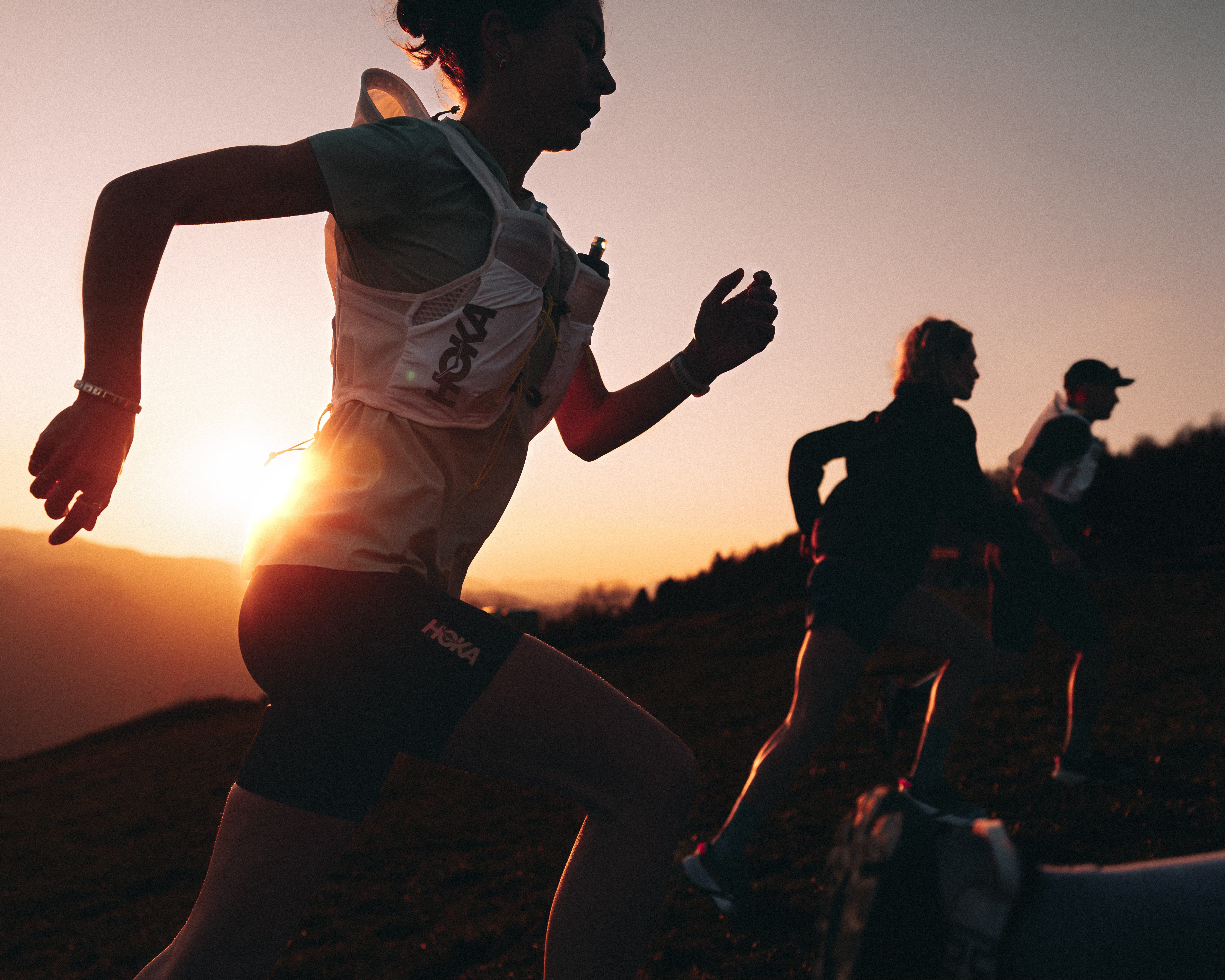
Most of the shoot is chasing the light. That means early alarms, earlier breakfasts, driving in the dark (and cold) to reach a location just as the first colour hits the sky. Then move. You work in windows: two hours in the morning, another push in the afternoon, pick-ups and detail shots in between.
In Slovenia, we knew after day one that we had some shots, but not the shot. By the end of day two, we still didn’t have the key shot that anchors the whole film.
We had no choice but to keep going, so we made the unpopular call to go again. The final morning, when we should have wrapped and been on our way back to airports, we had one last chance. But it was a calculated one. Jake, Matt, Daniel and I spent a couple of hours at the new location we’d seen the evening before. Of all the places we’d been, it was the least inspiring on first inspection. A car park, a building site, a closed-down restaurant. But it had the views. ‘We can make this work,’ we agreed.
So we planned the shots and we planned the order to the minute – this was a sunrise shot. We had one and a half hours between the moment the sun appeared and the moment we had to leave to catch a plane. However, we knew the weather would be amazing. When it’s outdoors, on a mountain, you can’t control everything. In fact, you can’t control very much at all. Perhaps that’s why we find it so exciting. We’re masochists.
Anywhere to Nowhere
The idea behind the project was Anywhere to Nowhere – a shift in mindset rather than a destination. It’s a simple idea and one that is pleasingly obvious once you hear it.
But building the conditions for that feeling to exist on camera takes planning, and then the willingness to adapt. It takes attention to detail, and the ability to step back and let things unfold. It takes a group of people working together, each focused on their part, but aware of the whole.
And sometimes it takes one last early start when you thought you were already done. One last push.
Production and distribution
It’s easy to think of Sidetracked primarily as a platform for storytelling. The magazine, the films, the social media, and the distribution network that bring these projects to life in front of an audience. However, what sits alongside that, and underpins it, is the ability to produce the work itself. To take an idea from the earliest stages of planning and carry it through to final delivery. We understand how a story should look and feel, but also what it actually takes to make it happen.
The resulting film and shoot looked amazing. The client was happy, and we’ll be back again. What you can’t see is me out of shot holding the flag in the front. You can’t see the building site, the platter of food taken with us, the jokes, the banter, the effort to keep energy and spirits high. You can’t see the pile of clothes – remember a summer shoot at altitude in March – and you can’t see the spreadsheet of rising costs. Nor can you see the satisfaction of spending a few intense days with friends who became even closer friends, of the time spent learning from them how they shoot, manage people, and get the shot. Daniel, Jake and Matt and I were constantly spurring each other on to do better, to make the effort. That’s why we love production days, even if that does mean emptying the dishwasher again and again.
You can see more of the campaign on Bergfreunde’s Instagram.
Client: HOKA / Bergfreunde
Creative Agency: YEET
Production: Sidetracked
Photography: Jake Baggaley
Film: Summit Fever Media
Nice Behind the scenes.....
I was a commercial photographer for 25 years and this brought back the memories of tough location work. Well written - I enjoyed reliving it with you.